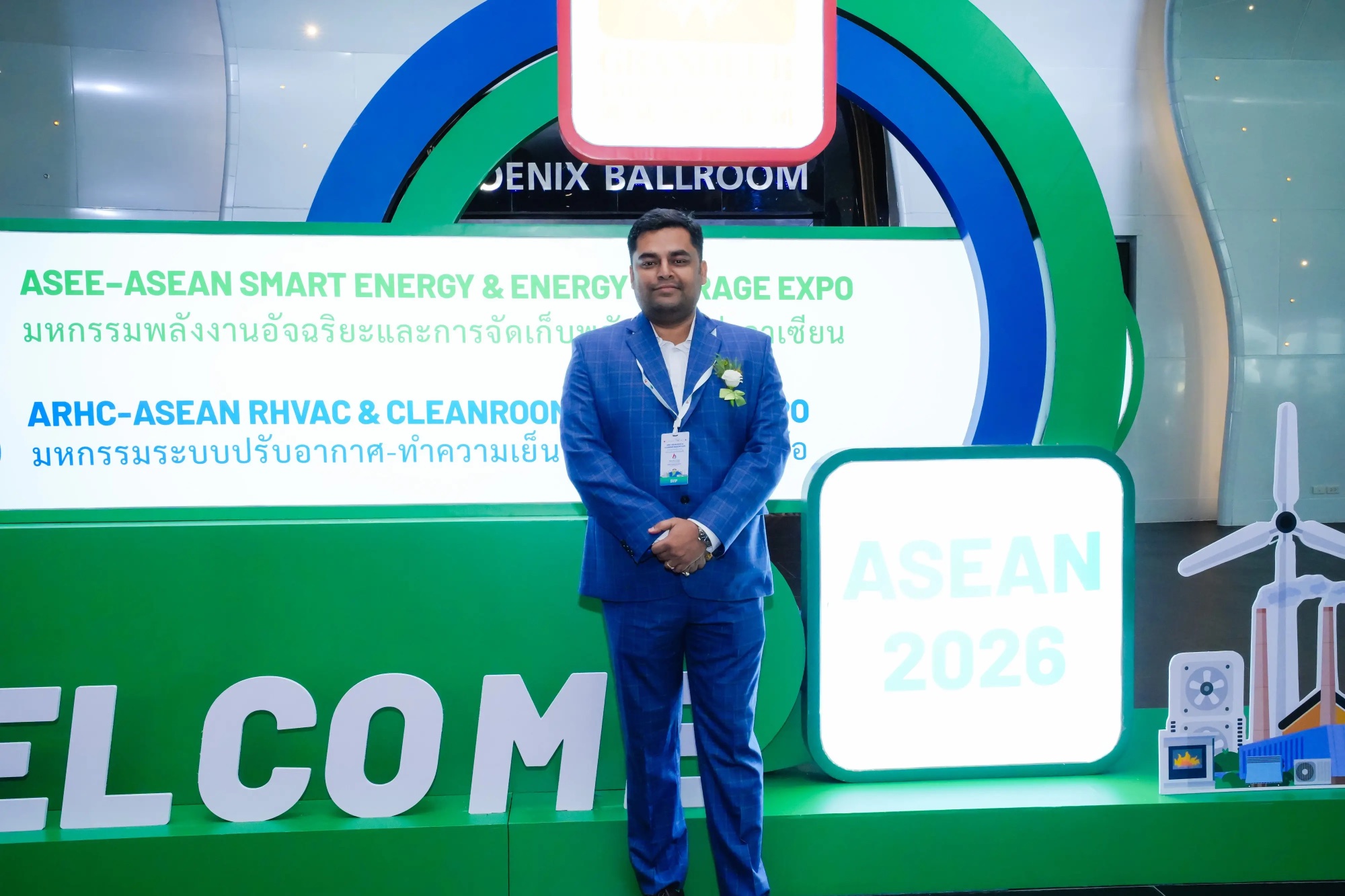
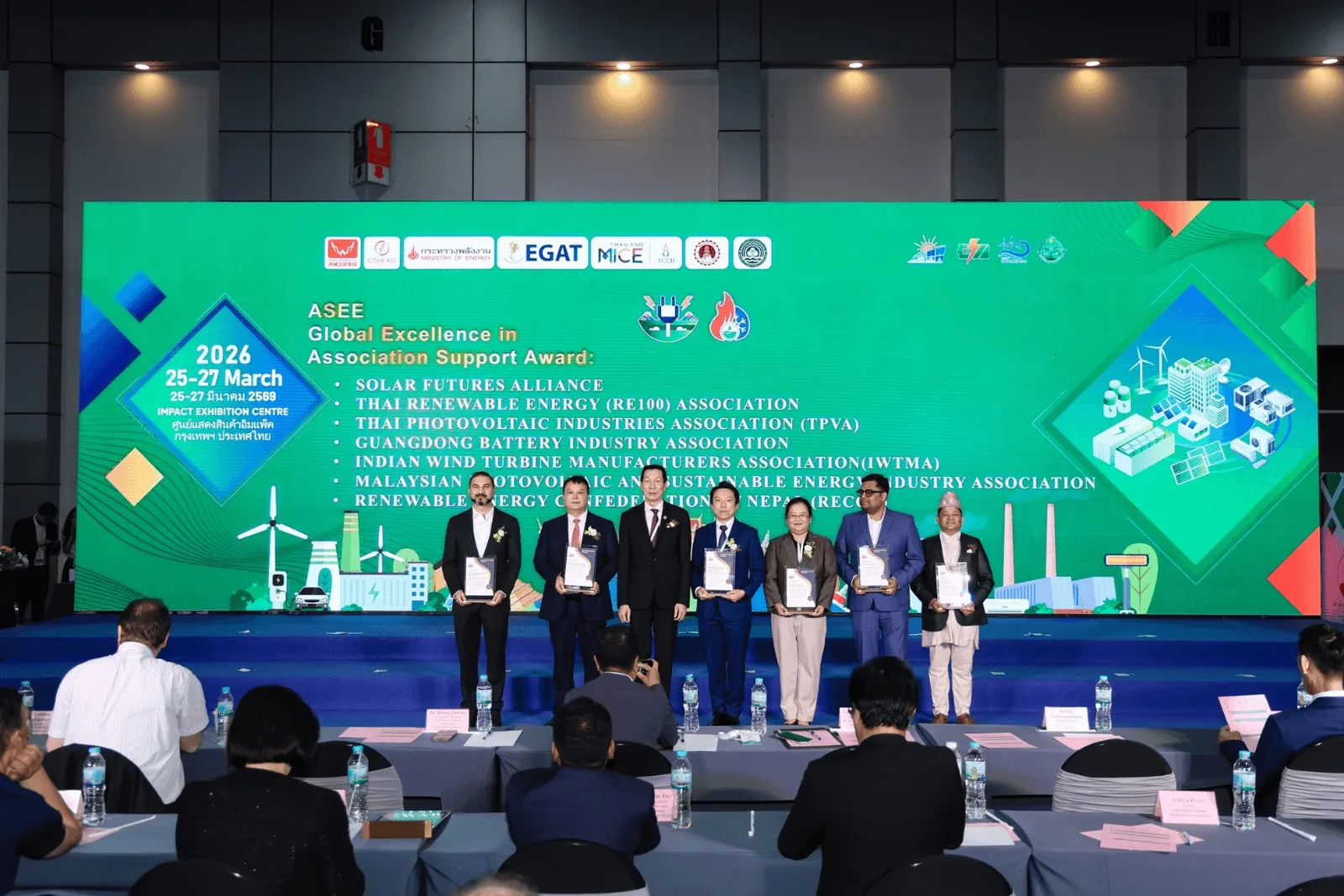
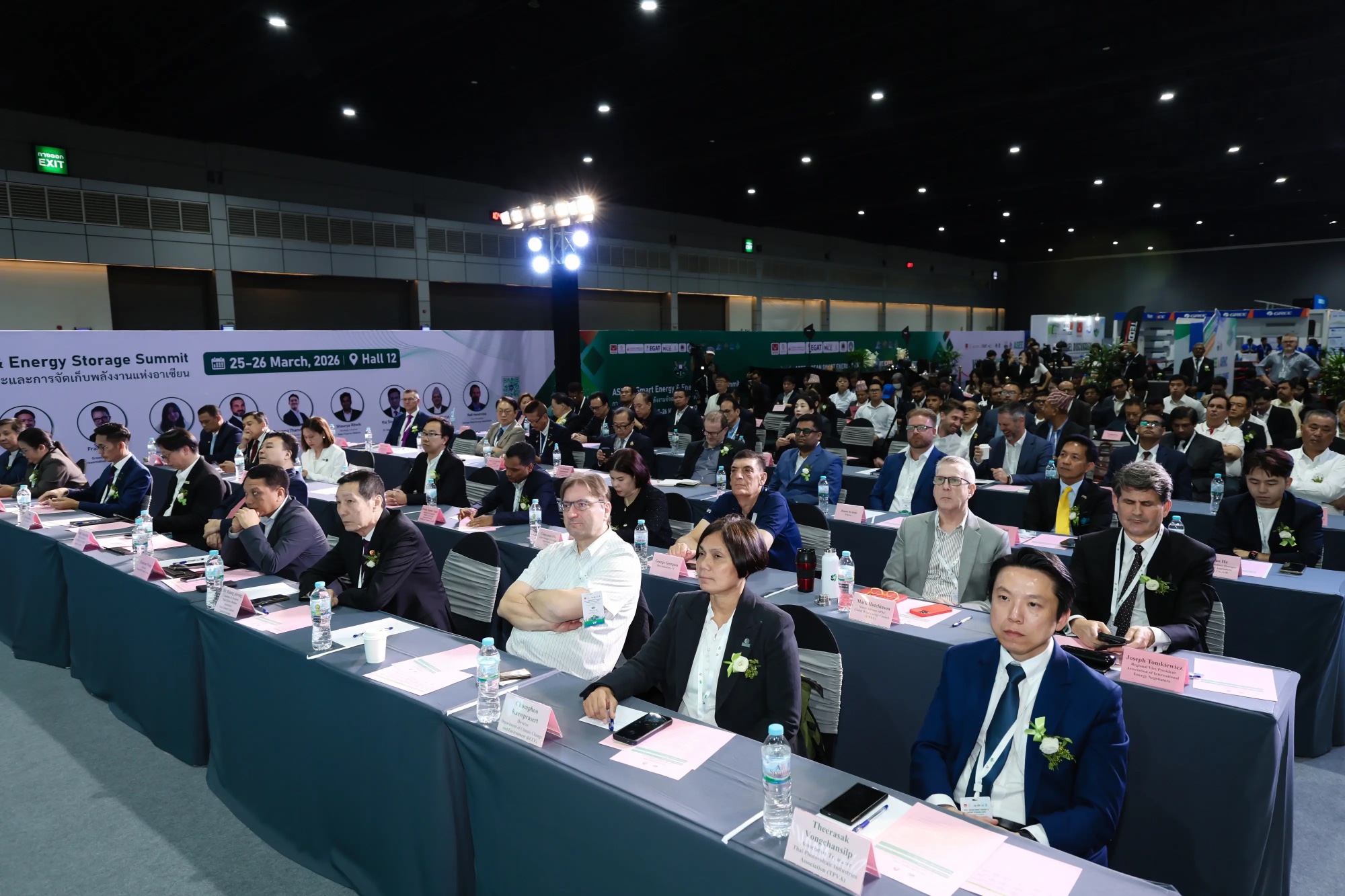
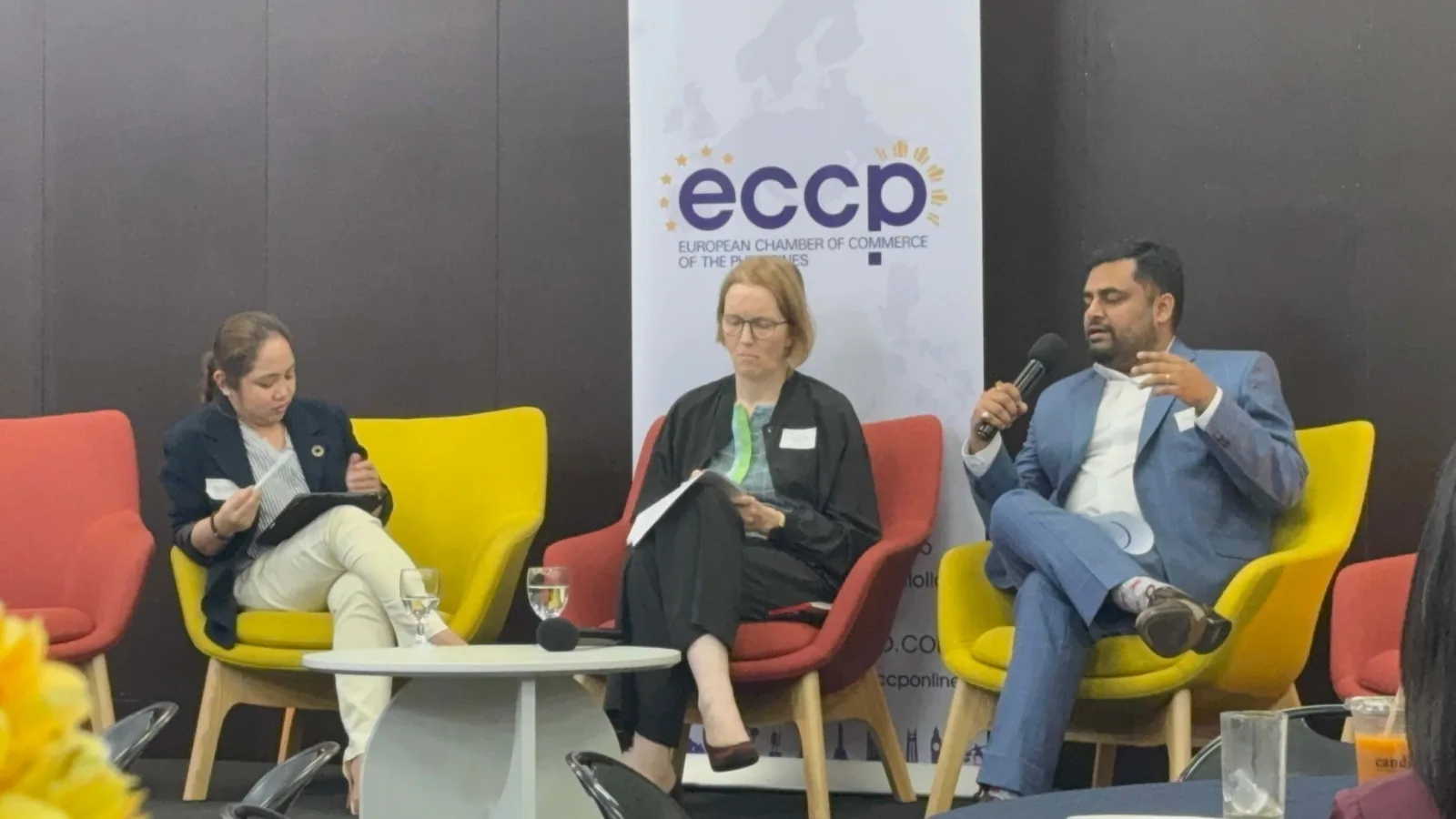
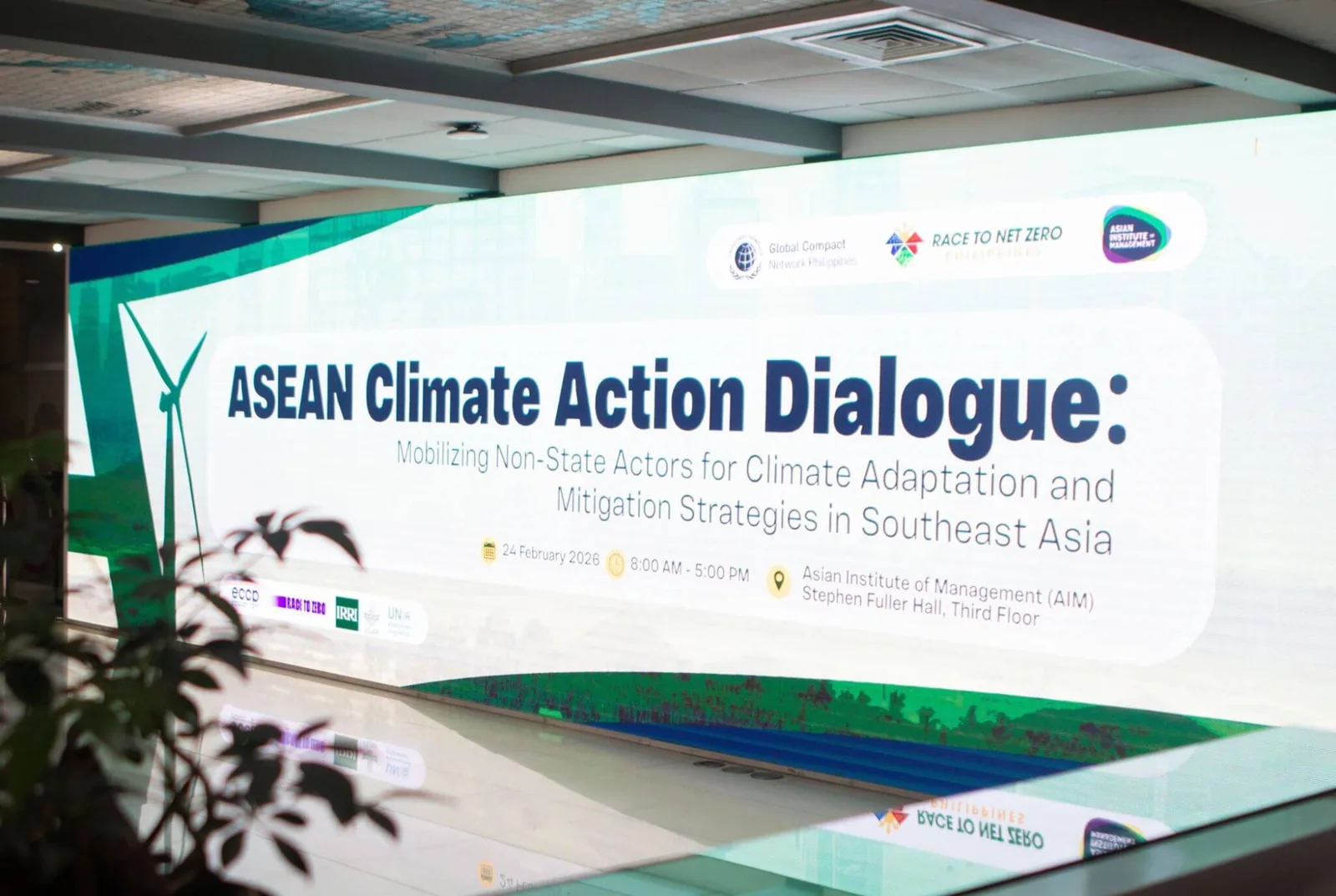
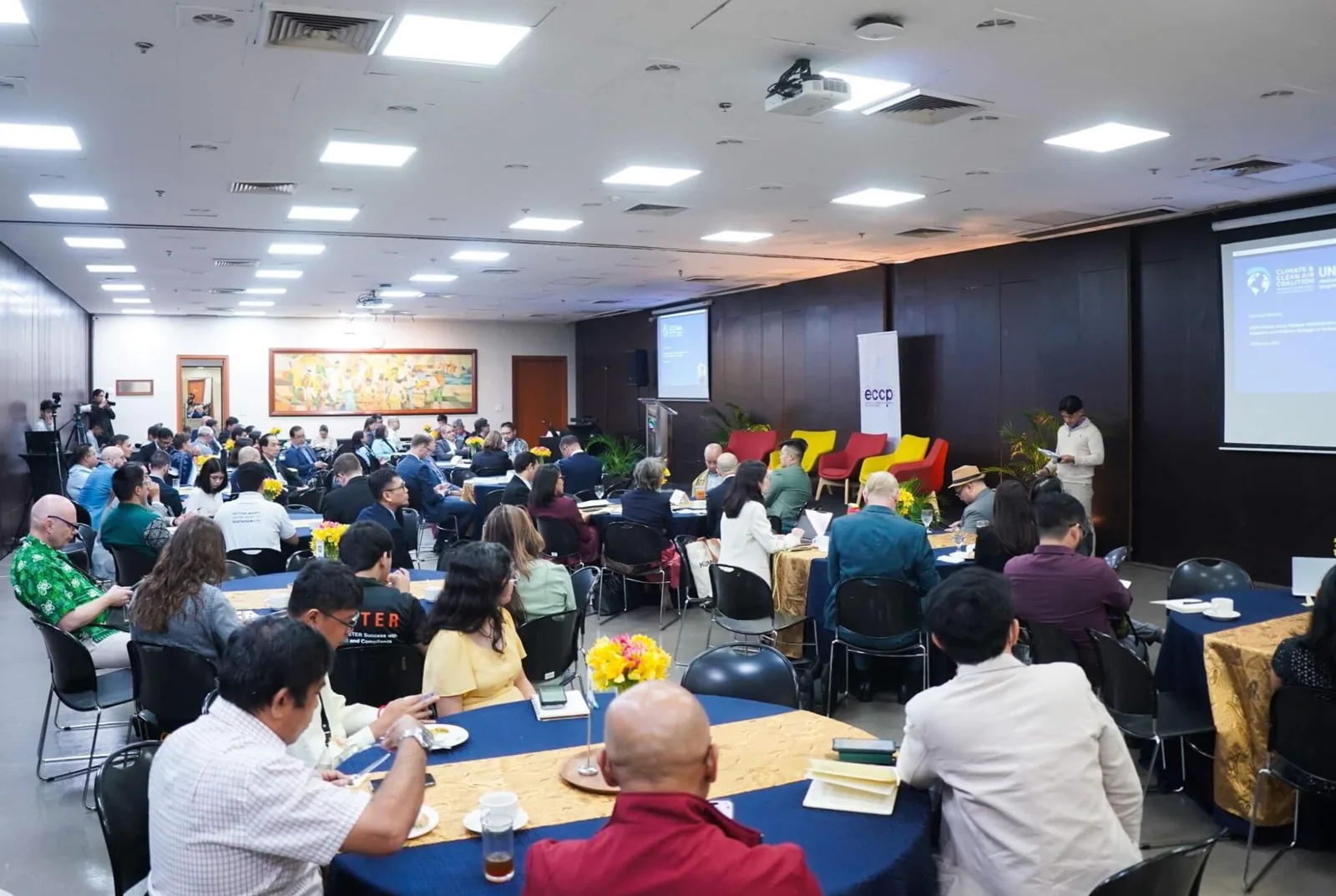
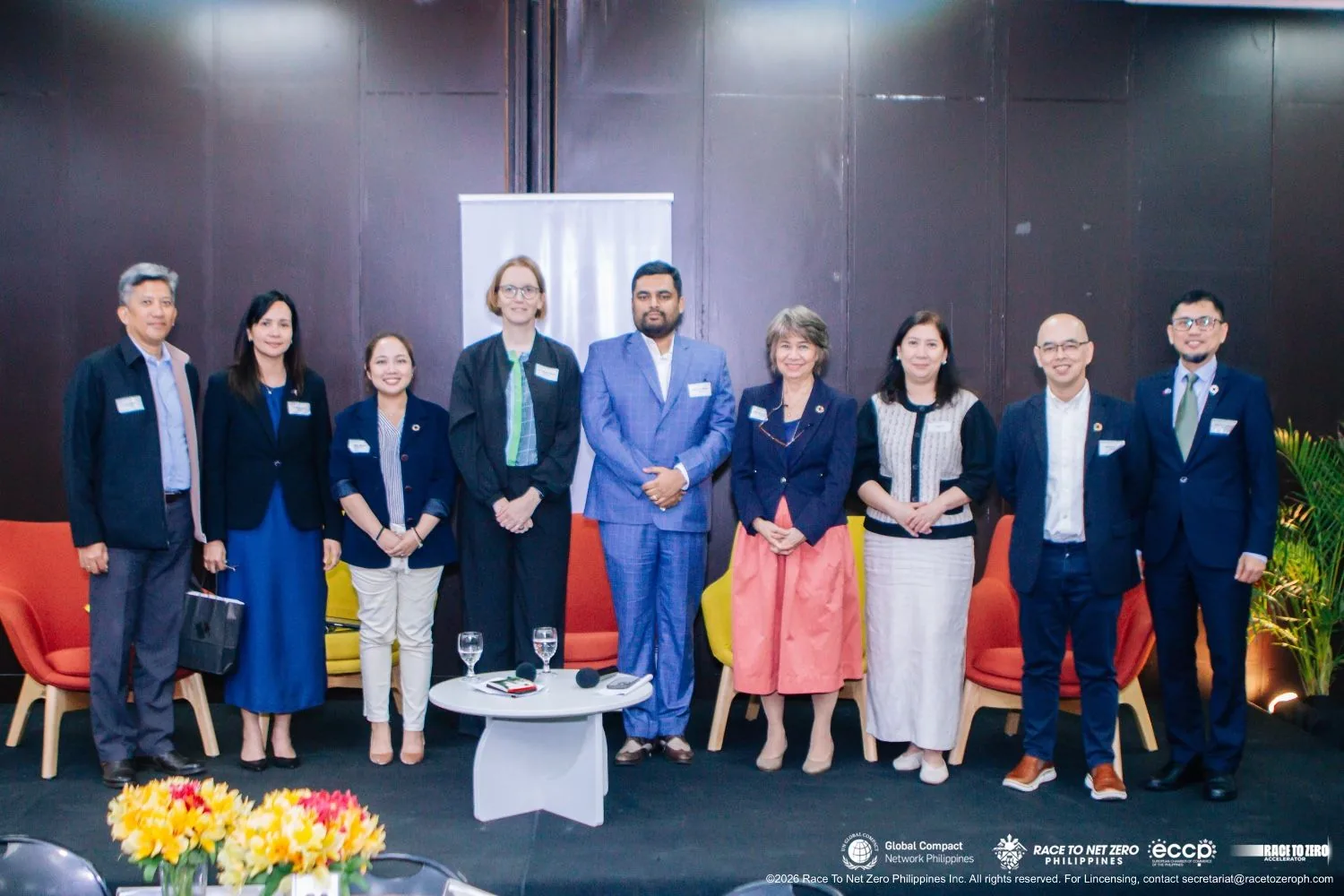
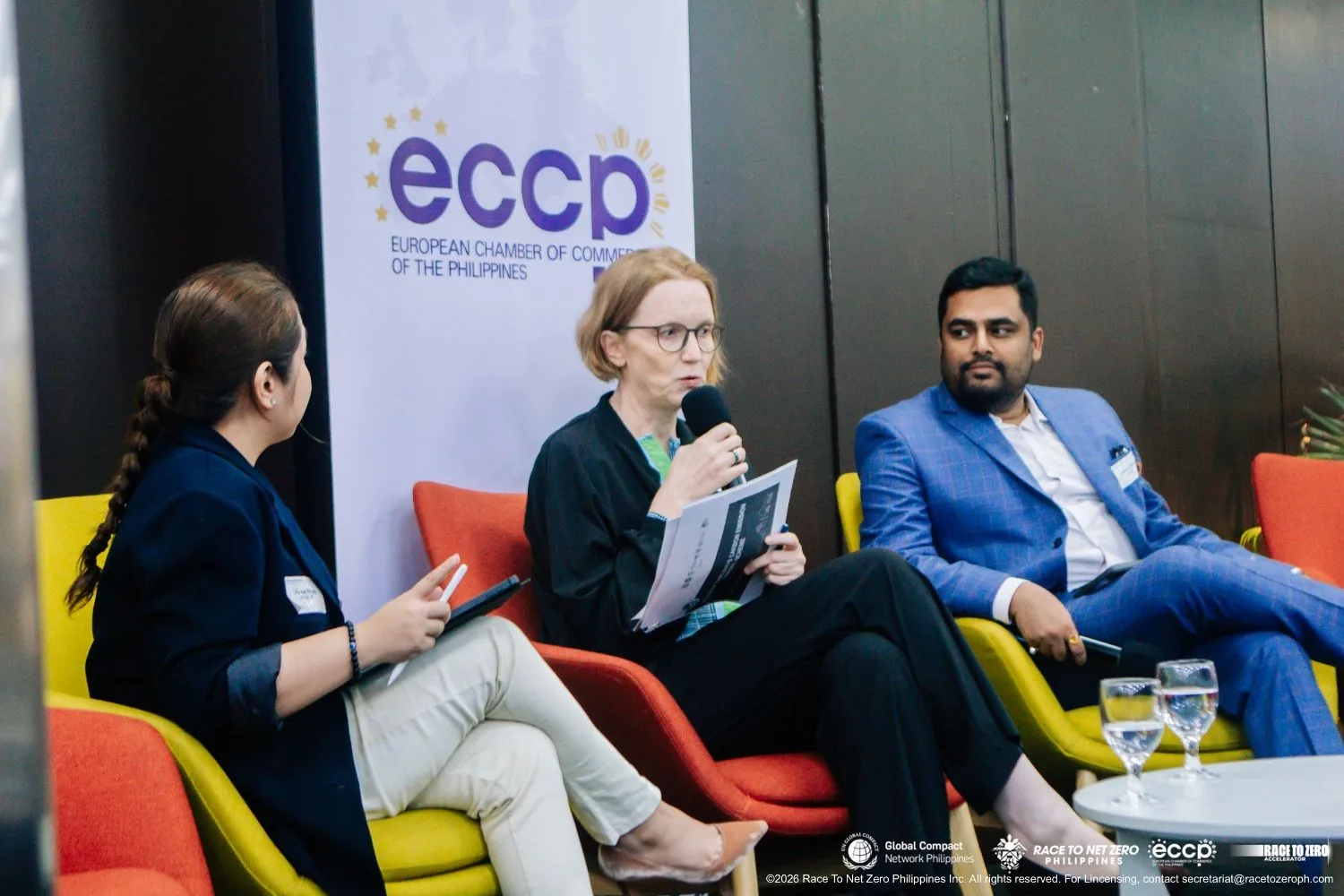
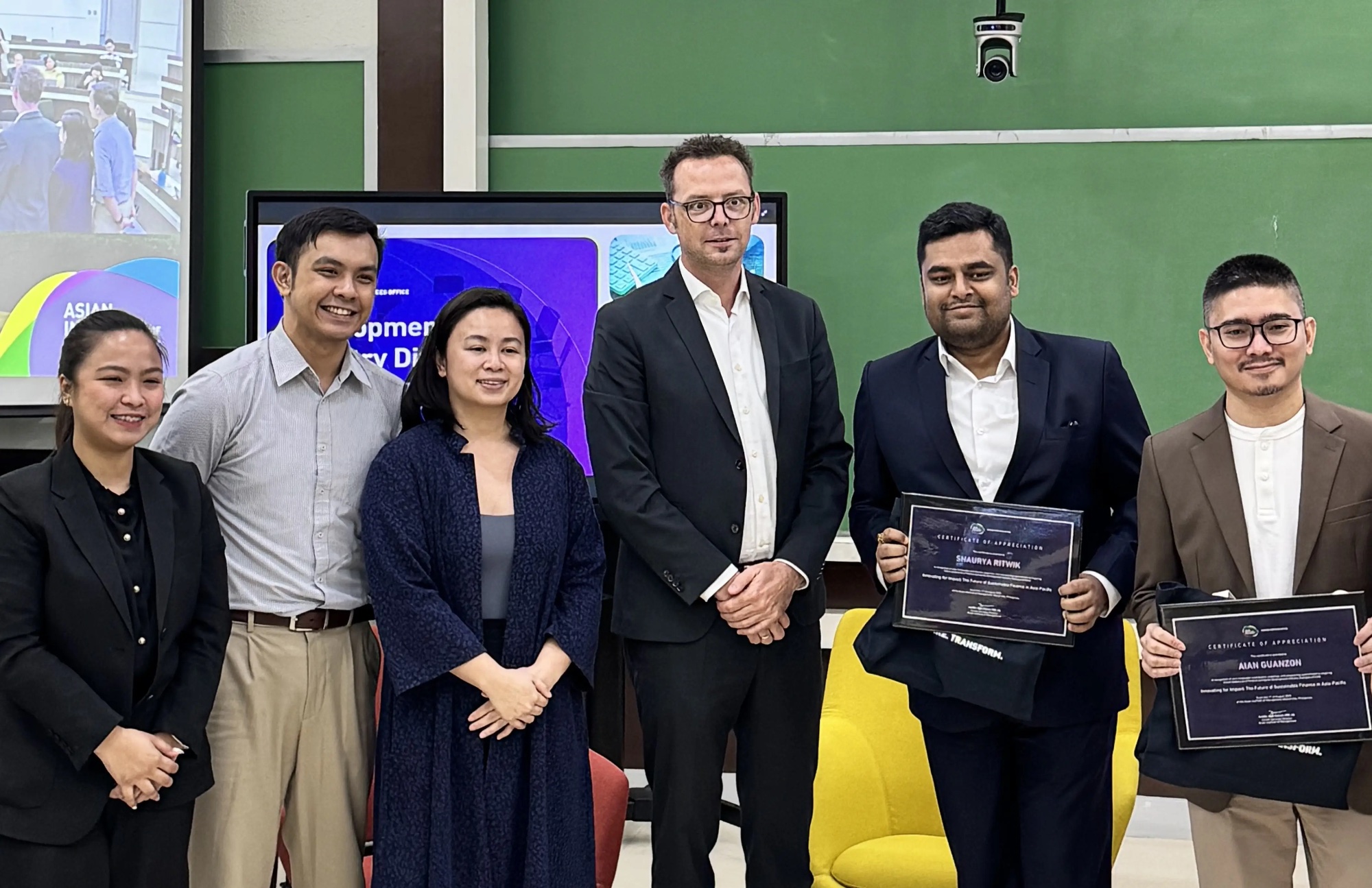
The Summit brought together policymakers, senior government officials, industry executives, manufacturers, financiers, researchers, and multilateral representatives from across the ASEAN region and beyond.
Opening Address: A World That Can No Longer Afford to Wait
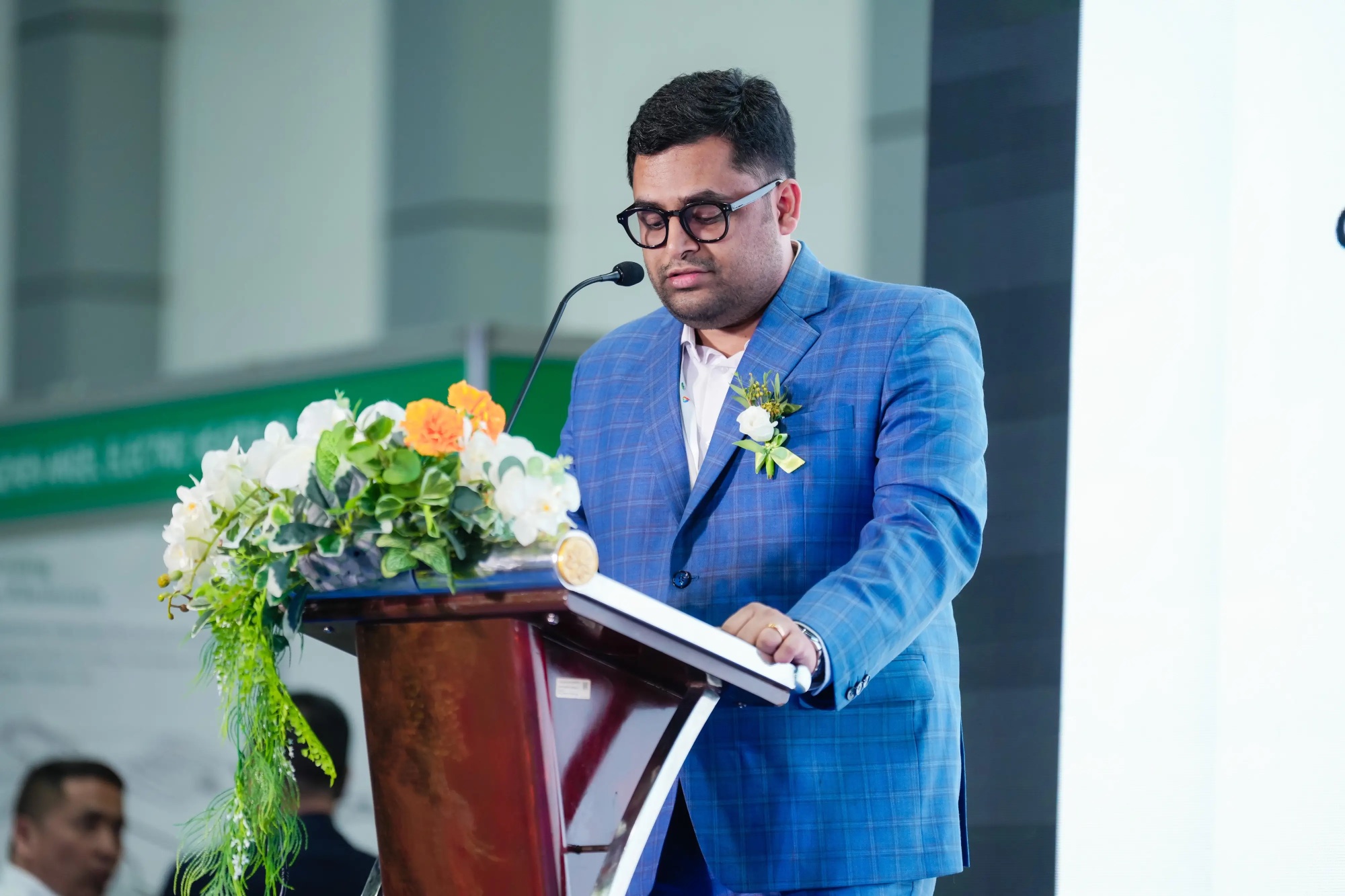
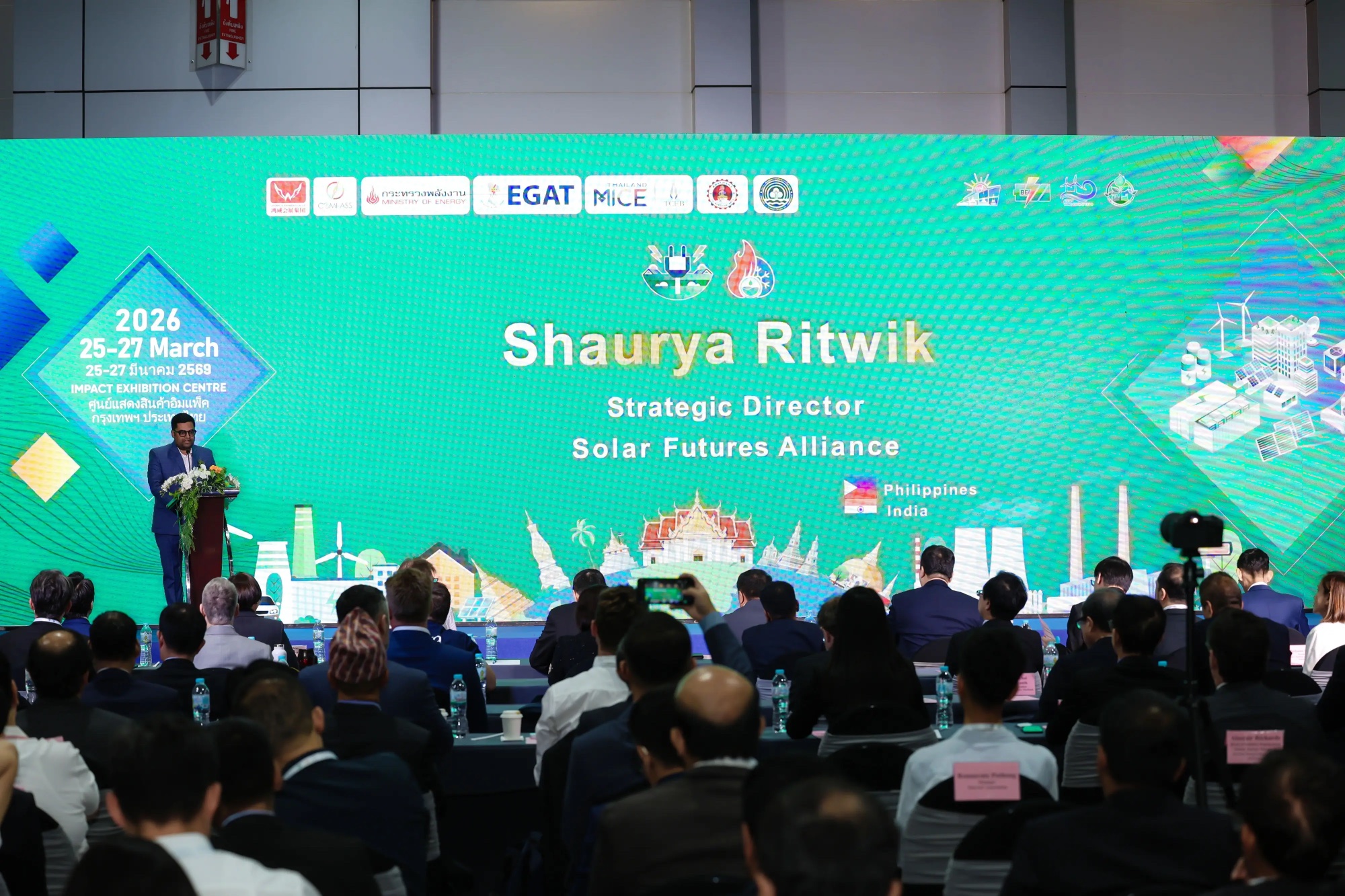
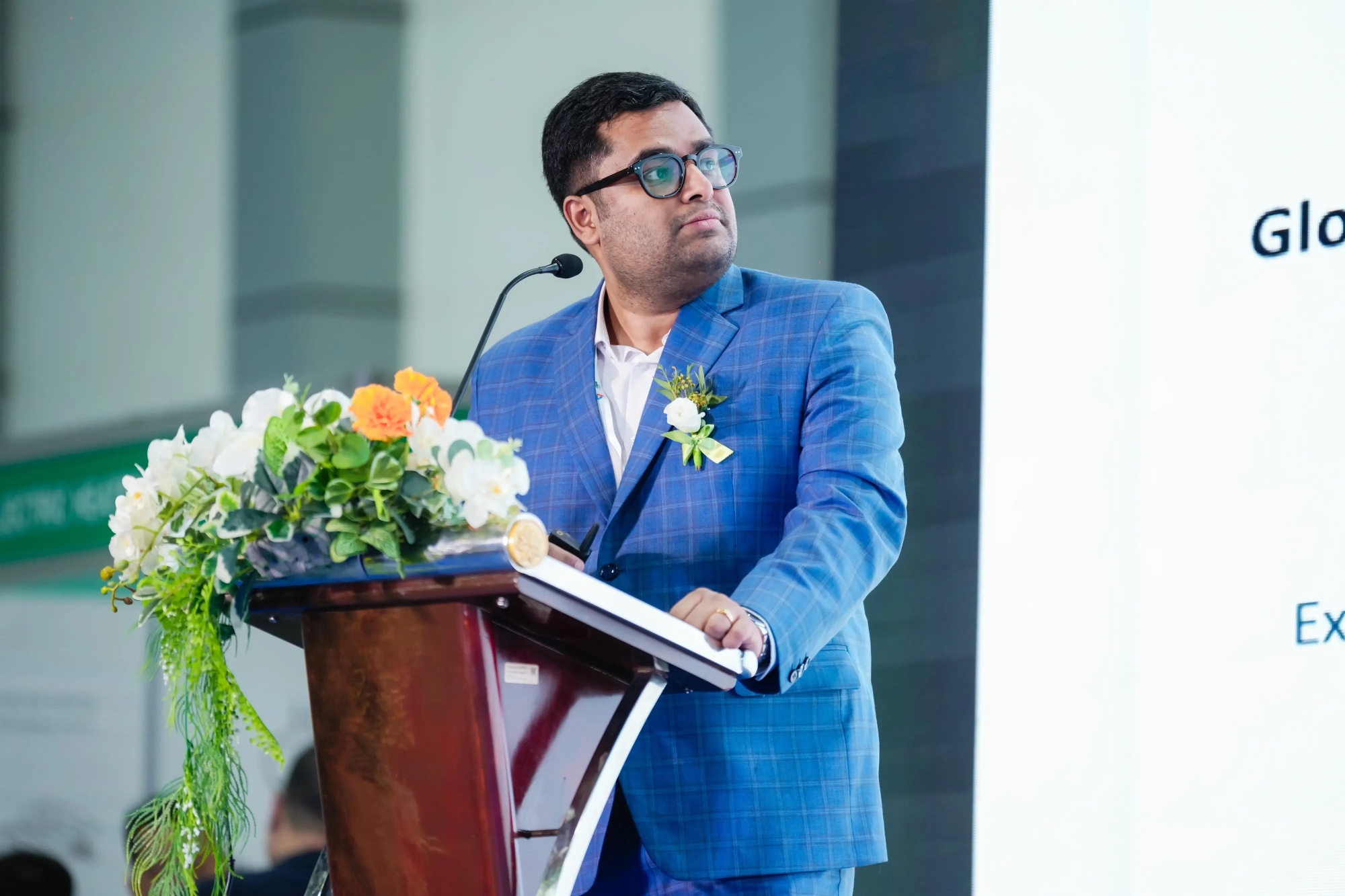
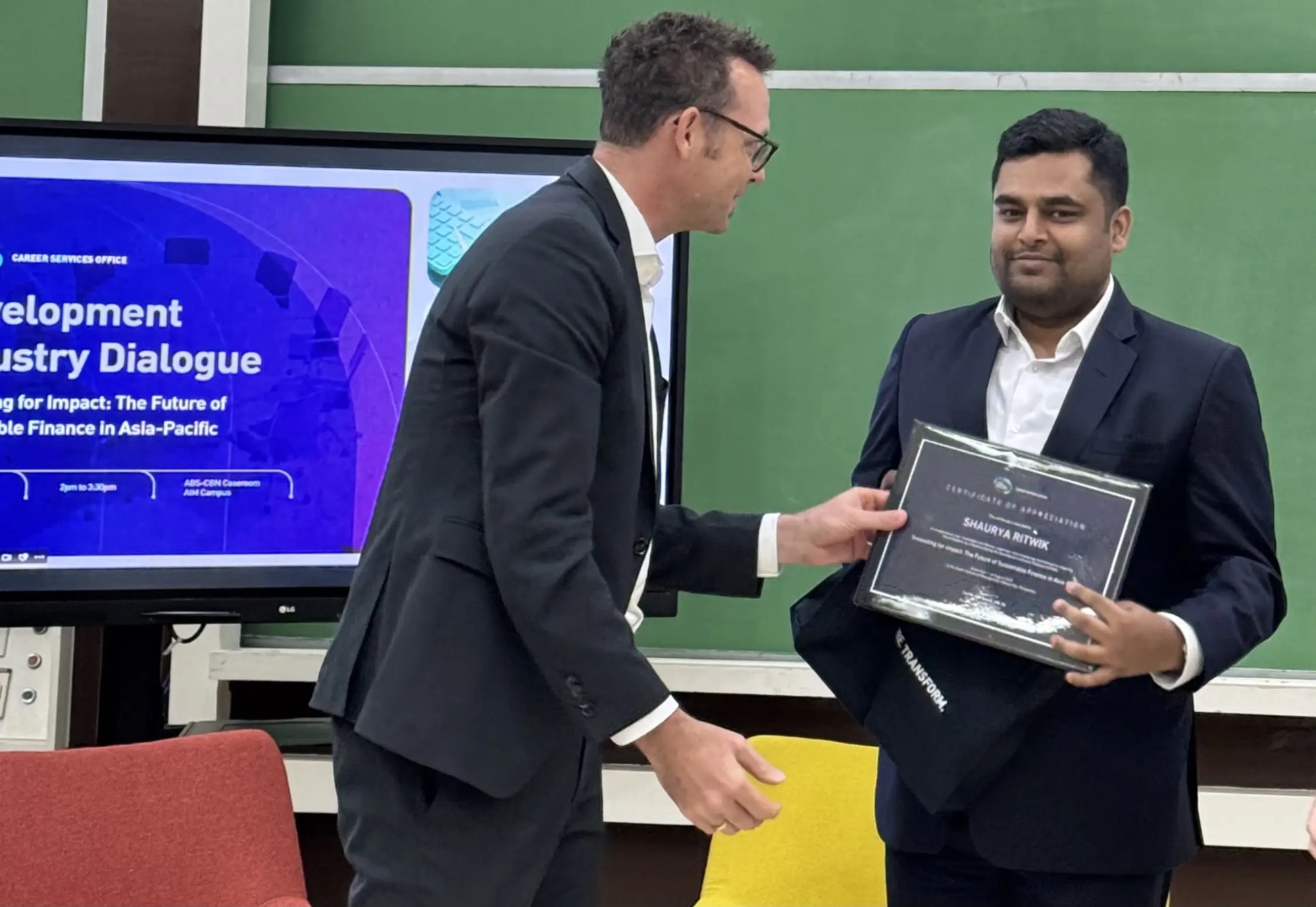
Shaurya Ritwik delivered the Inaugural Opening Remarks at ASEE 2026, an invitation that reflected both the Solar Futures Alliance’s standing in the region and its institutional commitment to elevating the policy and finance conversation around solar deployment across the Global South.
Opening before the assembled delegates, Ritwik drew attention not to the technical achievements of the solar industry, but to the geopolitical and humanitarian lessons of the West Asia crisis, which had exposed the structural fragility of energy systems built on fossil fuel dependency. He argued that for nations across the Global South, the lesson was unambiguous: energy sovereignty is not a strategic preference, it is an existential necessity.
Nations that depend on imported hydrocarbons had discovered in real time the cost of that dependency, not just in price, but in political leverage, in developmental options, and in the ability to chart an independent course. The West Asia crisis had made the theoretical argument for distributed solar generation into an empirical one. The data was no longer in a report. It was on the news.
Against this backdrop, Ritwik made the case for urgency, not the aspirational urgency of climate targets, but the strategic urgency of nations that understand what it means to be structurally vulnerable. ASEAN, he argued, sits at a moment of extraordinary strategic opportunity. The region has the solar resource, the manufacturing base, the development imperative, and increasingly the political will. What it requires now is the speed of deployment to match the speed of a world that is changing faster than most institutions are designed to respond to.
Keynote Address: Financing the Solar Century
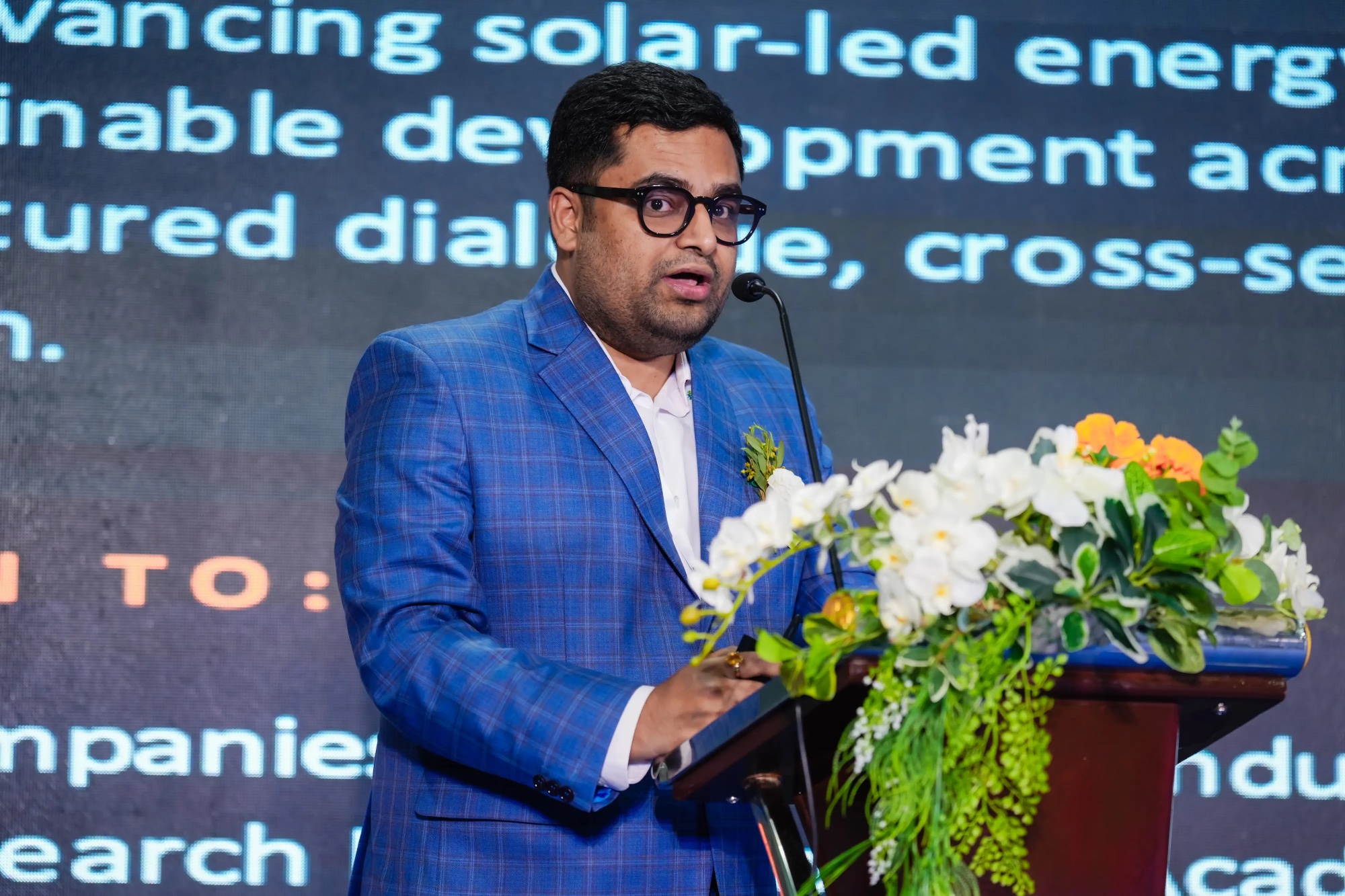
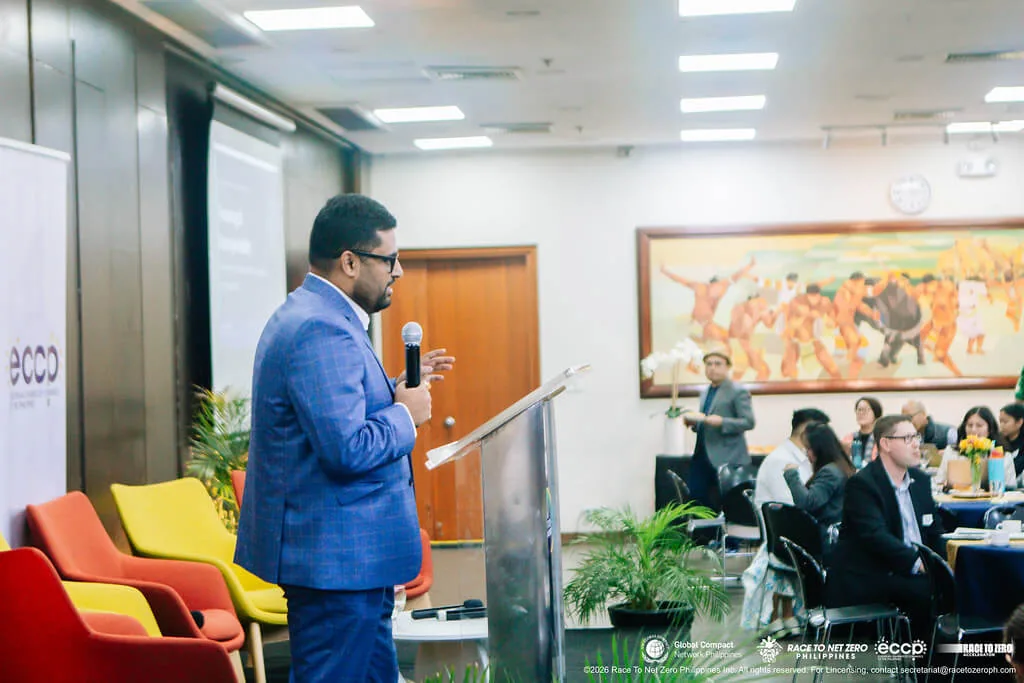
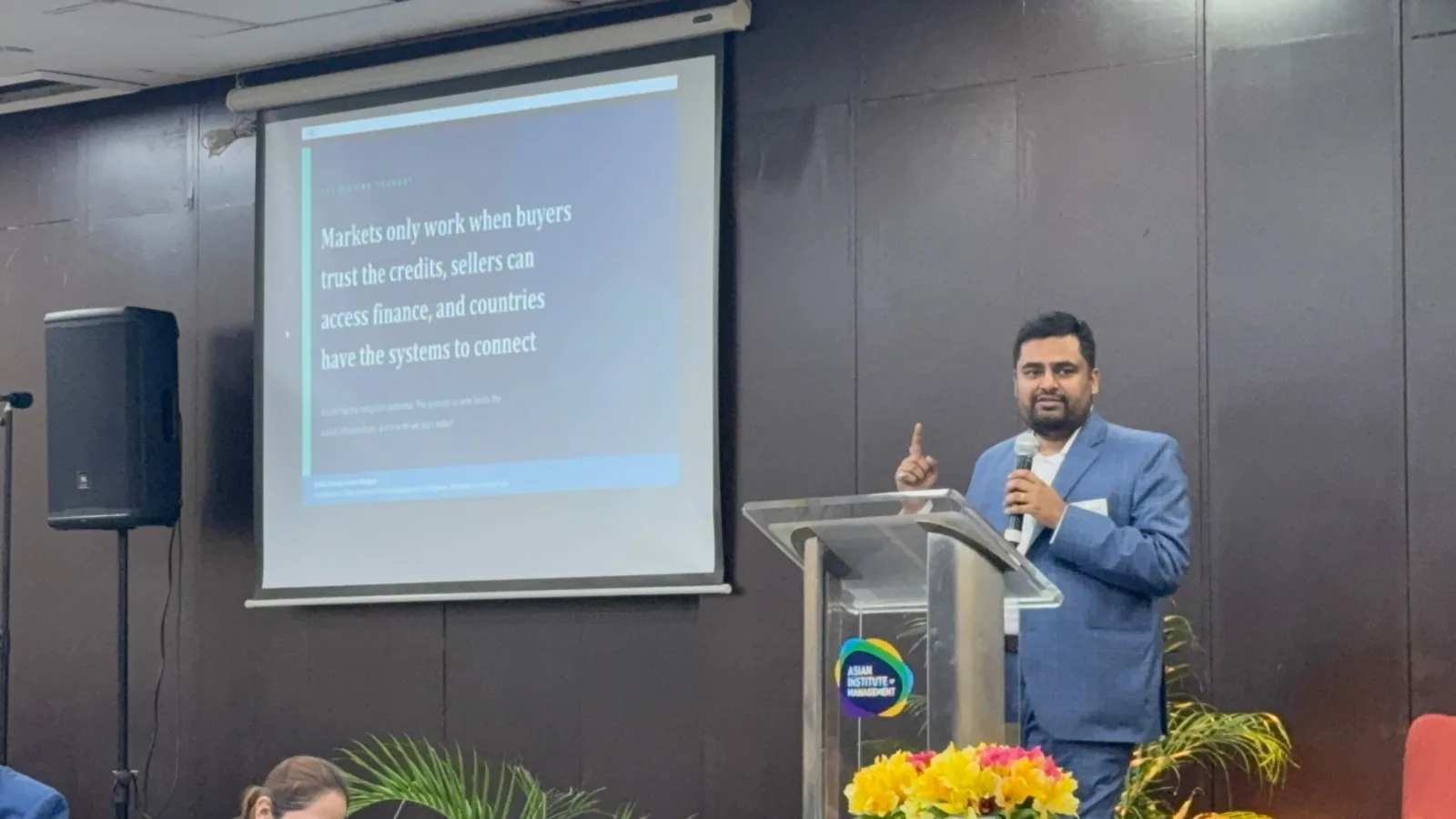
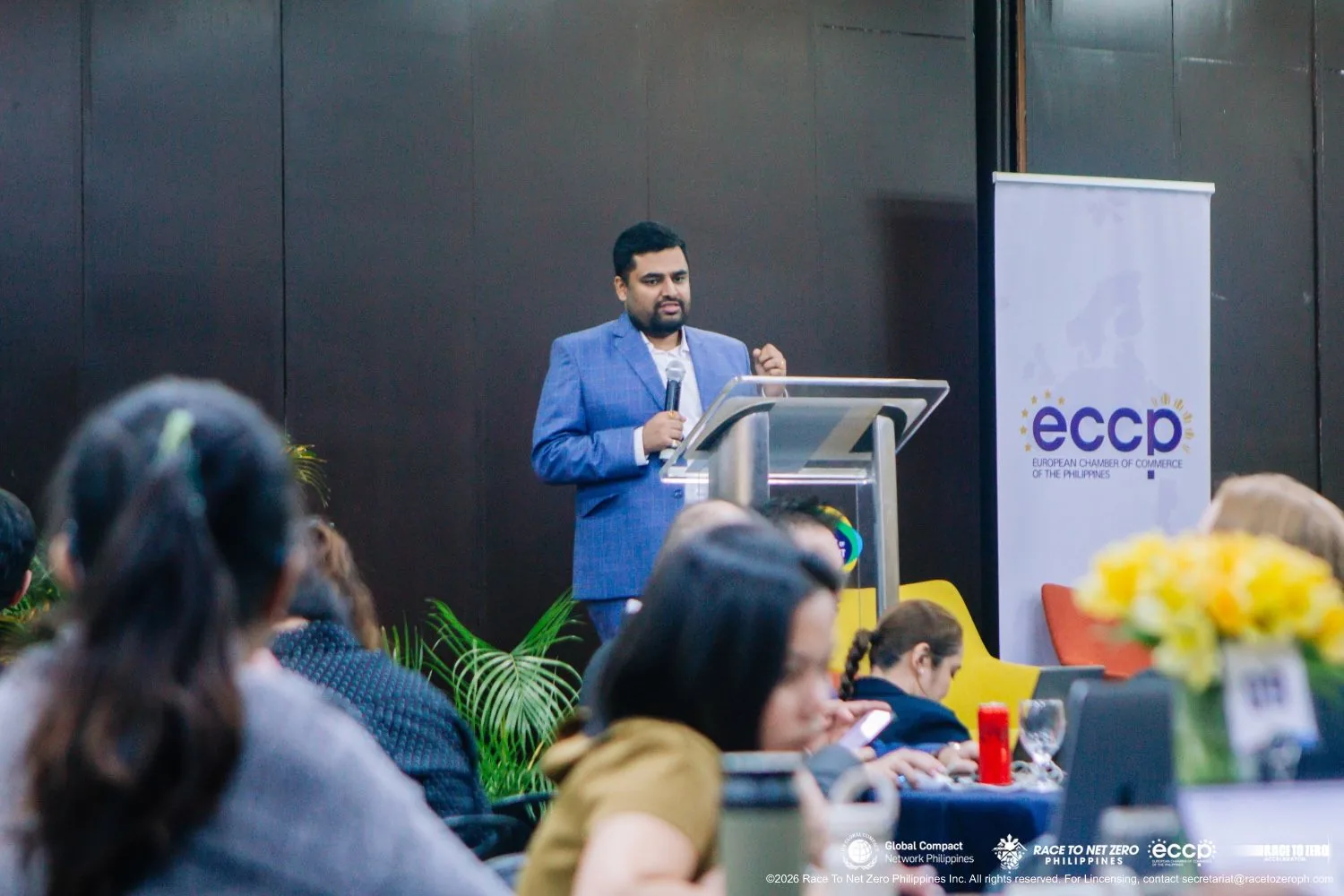
Later in the Summit proceedings, Ritwik delivered the keynote address titled Financing the Solar Century: Capital, Policy, and Powering ASEAN’s Energy Transition, a substantive address that moved systematically through the financing gap, the institutional constraints, and the specific levers available to the decision-makers in the room.
Drawing on data from IRENA, BloombergNEF, and the IEA, Ritwik presented a precise picture of where ASEAN stands: renewable energy accounting for a fraction of its actual potential, a financing gap measurable in hundreds of billions of dollars annually, and policy frameworks that too often reward the production of commitments over the execution of projects.
He argued that ASEAN’s solar transition would not be determined by technology, which is ready, nor by ambition, which is abundant, but by three structural questions: whether capital allocation frameworks could be redesigned to price transition risk correctly; whether regulatory environments could provide the policy stability that long-term institutional capital requires; and whether the region’s governments and institutions could move from aspirational targets to bankable project pipelines.
“Capital does not move because targets are ambitious. Capital moves when risk is understood, when contracts are enforced, and when the institutions structuring the deal have the capacity to see it through. ASEAN has the assets. What it needs now is the institutional infrastructure to unlock them.”
The address drew particular attention to the imperative of energy sovereignty for the Global South, arguing that nations across Asia, Africa, and Latin America must not merely participate in the energy transition as consumers of capital and technology, but must shape its terms, build its institutions, and capture its economic value for their own populations.